If you're planning a multi-room HVAC upgrade and considering a 3-zone mini split system, one of the key specs you’ll come across is the SEER2 rating. The SEER2—the Seasonal Energy Efficiency Ratio update for heat pumps and air conditioners—provides a clearer window into how much cooling and heating you’ll get for your electricity dollar, factoring in the updated DOE test procedures.
In this guide, I’ll break down what SEER2 numbers really mean for a 3-zone mini split setup, walk through how to size each zone correctly, touch on the practicalities of installation, and highlight what a “true DIY” install looks like these days. We'll also naturally compare three popular brands, Zone Air, MRCOOL, and Pioneer, and show you what you should expect to pay. Let’s get to it.
Understanding SEER2 Ratings: Federal Minimums and Premium Choices
The updated SEER2 rating system adjusts efficiency measures from the old SEER to reflect new DOE test procedures including different airflow and refrigerant charge conditions. This makes the numbers a more realistic representation of real-world performance, so they matter a lot.
SEER2 Rating Description Typical Application 14.3 SEER2 Federal Minimum Efficiency Basic, entry-level mini splits 22 SEER2 High Efficiency Mid-range systems, decent energy savings 24 SEER2 Premium Efficiency Better heat pump designs, lower energy bills Above 25 SEER2 Top-Tier / Ultra Premium Best-in-class units, advanced tech, especially cold climate modelsFor a 3-zone mini split system designed to condition around 800 to 1,200 square feet of living space (think 3 bedrooms or a mix of living room, office, and bedrooms), there’s a clear tradeoff between upfront price and utility bill savings. A unit rated SEER2 22 provides solid efficiency and comfort, while moving toward 24 SEER2 and above means you’ll see bigger savings but also a higher purchase price.
3-Zone System Sizing and BTU Planning: The Heart of Comfort
Mini splits are all about zoning—independent temperature control for multiple rooms without the need for ductwork. To choose the right system, you need to nail your BTU planning per room, because oversizing or undersizing wrecks efficiency, comfort, and equipment lifespan.
https://cleaningservicesgrandrapidsmi.com/what-btu-mix-should-i-use-for-3-rooms-like-9k-12k-6k/Rough Guidelines for BTU per Zone
- Small Bedrooms / Offices (100-150 sqft): 6,000 – 9,000 BTU Medium Bedrooms / Living Rooms (150-250 sqft): 9,000 – 12,000 BTU Larger Rooms or Greater Sun Exposure (250-400 sqft): 12,000 – 18,000 BTU
For a typical 3-zone mini split, you might see configurations like:
- Zone 1: Living Room, 12,000 BTU Zone 2: Master Bedroom, 9,000 BTU Zone 3: Office or Guest Room, 6,000 BTU
That adds up to about 27,000 BTU total load, which matches https://lilyluxemaids.com/can-i-plug-a-115v-outdoor-unit-into-a-regular-outlet-safely/ nicely with common outdoor units sized at 30,000 BTU levels. Just remember to check the manufacturer’s maximum capacity rating for simultaneous usage limits—some heat pumps can't run all zones at max power at the same time without efficiency losses.

True DIY vs. Slightly DIY: Understanding Installation
The term "DIY mini split" gets tossed around quite a bit online, but here’s the reality: Unless you’re only swapping out an identical indoor unit or working with truly pre-charged quick-connect linesets, professional HVAC credentials or experience are highly recommended.
Brands like MRCOOL and Zone Air have systems marketed as true DIY, featuring refrigerant lines that arrive pre-charged and use quick-connect fittings so the homeowner can avoid vacuum pumping or flare welding. In contrast, brands like Pioneer usually require a licensed technician to vacuum out and flare copper to connect the refrigerant lines properly, which are crucial steps for avoiding leaks and system damage.
If you do go the true DIY route, get ready with:
- Drill with hole saw or 3-inch core bit: You’ll need to drill clean holes on exterior walls for the refrigerant lines, drain, and electrical wiring. Level: To ensure the indoor wall units are mounted straight for aesthetics and proper condensation drainage. Basic electrical tools, but be aware of local codes (see next section).
Electrical Reality Check: 115V vs. 230V and Electrician Costs
Many single-zone mini splits operate on standard 115V household current, but multi-zone systems often require dedicated 230V circuits due to higher amperage. This matters because:
- 230V runs cost more to install—especially if you don’t have existing circuits or breaker capacity. A licensed electrician may be required to pull permits and install the breaker, wiring, and disconnect box, especially for resale compliance and insurance requirements. Electrical demand for 3-zone systems often requires a 30- or 40-amp double-pole breaker. You need to verify your panel capacity and possibly upgrade.
Zone Air 3-zone wall-mount kits, for example, typically come within the range of $4,100 to $5,600 depending on model, efficiency rating, and indoor unit configurations. The installation electrical upgrades can add another $500 to $1,500 if you don’t already have adequate service.
Before ordering, factor electrician costs into your budget and be sure you or your installer comply with local electrical codes and permit requirements to avoid headaches on resale or insurance claims later.
Cold-Climate Heating Performance: What’s the Difference Between -13°F and ~5°F Ratings?
If your home sees cold winters, heat pump heating capability at very low temperatures becomes a critical factor. The industry standard used to be about -5°F or ~5°F as a minimum operating range, but newer cold-climate heat pumps advertise reliable heating down to -13°F or lower.
- -13°F rating: Found on premium mini splits designed for true cold climate conditions, this ensures the system provides efficient heating without backup resistance heat for many more days, drastically lowering winter energy bills. ~5°F rating: The typical rating for standard units, which will rely on supplemental electric resistance heat below that outdoor temperature, increasing heating costs.
Among the brands we’ve mentioned, Zone Air offers top-tier heat pumps with cold climate performance ratings extending to -13°F and SEER2 ratings above 25, while MRCOOL and Pioneer tend to provide good efficiency closer to 22-24 SEER2 but may not be optimized for extremely cold conditions.
Summary Checklist Before Buying a 3-Zone Mini Split
Determine your zones’ square footage and usage: Use BTU guidelines per room to size equipment properly. Choose your SEER2 rating wisely: Aim for at least 22 SEER2 for solid savings, consider premium models >25 SEER2 for cold climates or long-term ROI. Consider installation style: Opt for true DIY pre-charged quick-connect kits if you want zero refrigerant handling, otherwise plan on hiring a pro. Check electrical panel capacity: Prepare for 230V circuits and a compatible double-pole breaker; budget for electrician costs and permits. Account for climate: Pick cold climate rated units (-13°F) if you regularly see temps below zero Fahrenheit. Snap pricing and shop: Zone Air 3-zone wall-mount kits typically run $4,100–$5,600; MRCOOL and Pioneer vary, check warranty fine print carefully. Gather tools: Drill with 3-inch hole saw, level, screwdriver set; if DIY, read installation manuals thoroughly.Final Thoughts
Purchasing a 3-zone mini split is a fantastic way to tailor your home comfort with high efficiency and zoning control. However, don’t just chase the highest SEER2 number blindly. Balance your budget with proper sizing, realistic installation plans, and your local climate needs.
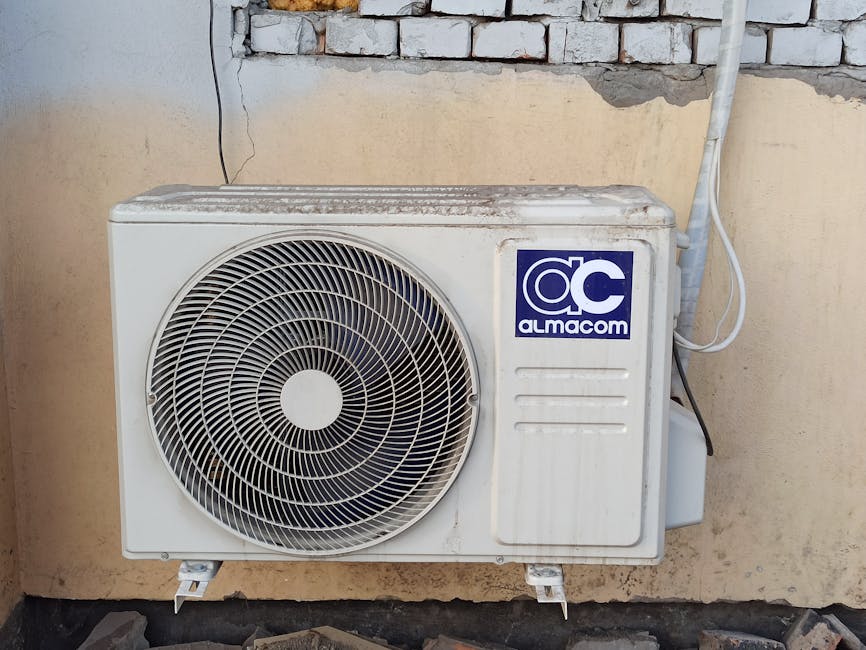
The sweet spot for many homeowners is between SEER2 22 and 24. If you live in colder regions or want the absolute highest savings and lowest carbon footprint, consider premium units with SEER2 above 25 and cold climate ratings to -13°F.
Finally, whether you pick Zone Air, MRCOOL, or Pioneer, be crystal clear on the installation demands, available DIY options, and wiring requirements. Being prepared will mean your new mini split heats and cools your home efficiently without surprises—because nothing’s worse than a weekend project that gets stuck on Thursday night.