If you’ve been scrolling through Instagram lately, you might have noticed a surge in posts showcasing intricate mouldings, elegant skirting boards, and, notably, beautifully crafted architrave around doors and windows. The trend of “Instagram interior details” has brought architectural elements like architrave back into sharp focus after years of pared-back minimalism. But what exactly is architrave? Why is it suddenly a popular talking point? And how do you spot tasteful, well-considered examples among the sea of home interiors online?
In this guide, we'll help you decode the mouldings trend, understand the role of architrave as a key framing tool, and offer practical insights to help you spot inspiration worth saving—whether you’re planning a renovation or simply want to appreciate the finer points of interior design on your social feeds.
The Revival of Architectural Details in Interiors
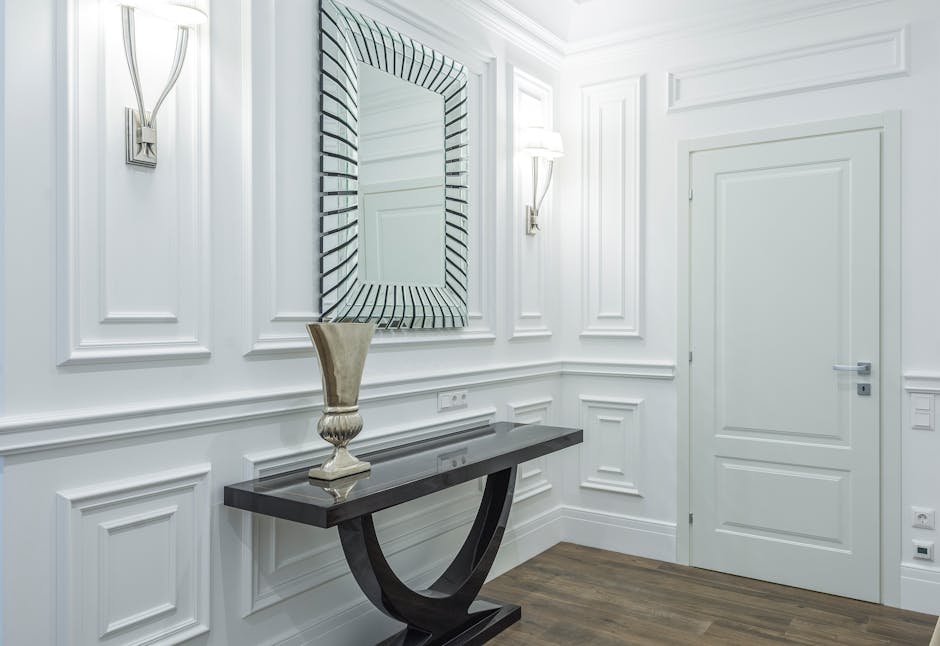
For the past decade or so, minimalist interiors championed stripped-back walls, frameless doors, and invisible trims. White walls met flush doors with recessed handles in open-plan spaces. Architectural mouldings—once standard in Victorian and Edwardian homes—were declared passé or “just finishing details.”
Today, there’s a notable shift, partly fuelled by social media platforms such as Instagram and Facebook, where passionate renovators and designers share projects to huge audiences. Features that help define room proportions, structure, and balance are making a comeback. Architectural details, including skirting boards, panelling, picture rails, and, crucially, architrave, are central to this renewed conversation.

Publications such as Northern Life Magazine have extensively covered this movement, highlighting how homeowners are blending period character with contemporary touches to create interiors that feel warm, grounded, and layered.
What is Architrave, and Why Does It Matter?
In the simplest terms, architrave is the moulded trim or framing that surrounds internal doors and window openings. It sits between the wall and the jamb—the edge of the door or window frame. Historically, architrave served to mask the joint where the plaster or wall lining meets the frame, but it quickly became a crucial design element in its own right.
Architrave:
- Frames doors and windows, giving them a defined border or edge. Helps create cohesion between different trim elements like skirting boards and dado rails. Contributes to the overall rhythm and balance of a room’s proportions. Can enhance architectural character—whether Victorian, Georgian, or modern.
On Instagram, the architrave often plays starring roles in posts tagged #architraveinspiration or under the broader mouldings trend. You’ll find everything from simple, sleek profiles to ornate, multi-stepped designs that echo heritage styles. But not all architrave is created equal, and poor detailing can detract from a room’s feel rather than enhance it.
Key Things to Look for When Scrolling Instagram Interior Details
1. Cohesion Between Trim Elements
One common mistake in modern renovations is to pick beautiful architrave but neglect other trim elements like skirting boards, picture rails, or panelling. When following the mouldings trend, the key word is cohesion.
Look at how architrave works alongside skirting boards in posts. Do the profiles complement each other? Does the shadow gap (the subtle space between the door frame and the wall) look consistent? For example, companies like Skirting King offer ranges of profiles designed to work harmoniously across trims, right down to matching cornicing if you want a fully coordinated scheme.
2. Quality of Installation and Finishing Details
Always check for crisp mitres where the corners of architrave meet, even reveal gaps that sit perfectly aligned, and smooth paint finishes. Slipshod fitting, visible gaps, or uneven shadow reveals are giveaways that something was rushed or unskilled.
Professional joiners understand that architrave isn’t “just finishing” but a feature in its own right. They’ll pay attention to reveals—those small shadow gaps around doors—and how these create a tactile, sculptural effect rather than a clunky bulk.
3. Profile Style and Room Style Compatibility
Architrave profiles range from very plain and modern—square edges or simple bead moulds through to elaborate Victorian ogees and fluting that convey period charm. Considering the architecture of your home is vital. For example, a modern flat might suit a simple pencil-round profile, while a Victorian terrace can accommodate more layered mouldings.
4. Paint Colours and Contrast
Some Instagram interior details highlight painted architrave in bold colours, contrasting with wall paint or wood flooring. Others keep paint subtle and tonal, allowing the shadows and layers of profile to do the visual work. Both approaches have merits, but spotting trends in how people finish their architrave can be useful inspiration.
Understanding Planning Restrictions and Structural Impact
Before you rush to replicate any Instagram-celebrated architrave or moulding style, it’s wise to review any Go here planning or building control requirements. The UK Government Planning Portal is a valuable resource for homeowners wanting to understand when you need formal permission for structural changes (such as widening doorways or changing window sizes) that affect architrave installation.
While adding or replacing architrave generally doesn’t require planning consent, larger-scale renovations or heritage-listed buildings may have restrictions on materials, profiles, or choosing architrave for window surrounds finishes. Always check to avoid costly reworks or legal complications.
Where to Find Reliable Architrave Inspiration Beyond Instagram
Instagram is great for quick visual inspiration and discovering trendy profiles or colour combos. But the platform can sometimes emphasise the “wow” factor without context of functionality or long-term wear.
For deeper dives, follow trusted publications like Northern Life Magazine, which regularly features real-life home tours with commentary from builders and designers explaining their choices.
Facebook groups focused on renovation, joinery, or period property refurbishment offer rich discussions and Q&A with experienced tradespeople. They’re useful when you want honest opinions on which architrave types hold up well over time, or what to expect with finishes.
Companies like Skirting King publish detailed product pages and installation guides, plus customer galleries showing architrave in different settings. These can ground the Instagram scroll in practical knowledge.
Tips for Using Architrave to Frame Doors and Windows Effectively
Maintain Consistency: Use matching profiles on all doors and windows in a room to create flow. Consider Shadow Gaps: A uniform reveal around architrave edges adds depth and sophistication. Pay Attention to Height and Proportions: Architrave should be in scale with the door/window frame and overall ceiling height. Oversized or undersized trim looks awkward. Coordinate with Skirting and Panelling: Design trim elements to visually “connect” where they meet, avoiding clashes in thickness or style. Think About Paint Finish: Matte, eggshell, or satin often work better than gloss to prevent harsh reflections on mouldings.Final Thoughts
The architrave you see featured in Instagram interior details posts is much more than decorative icing—it’s an architectural framing tool that helps bring a room’s character, order, and style into focus. Whether you’re chasing period charm or modern heritage-inspired simplicity, architrave ties together key design components, making the space feel finished and cohesive.
Next time you browse your feed, keep an eye out for consistency between skirting, panelling, and architrave, look for expertly finished reveals and mitres, and consider the profile style’s fit with the home’s architecture. Combined with insights from trusted sources like Northern Life Magazine, practical expertise from suppliers such as Skirting King, and official guidelines on the UK Government Planning Portal, you’ll be well equipped to interpret and apply the mouldings trend in your own home.
Happy scrolling, and remember—the details matter.