One of the trickiest moments in a kitchen renovation is when fabrication begins, yet you’re still tempted to tinker with the design or switch up specs. Changes at this stage can quickly add thousands to your budget and cause frustrating delays. So how do you firmly freeze the layout before sign-off, dodge costly variation costs, and make sure your dream kitchen comes in on time and on budget?
Drawing on my 11 years of project coordination for London kitchen refits — from Victorian terraces to 1930s semis — plus insights from trusted local contractors like Beams, Genesis London, and London Post, this guide covers everything you need to know to lock down your kitchen design early and avoid costly last-minute changes.
Understand the 2026 London Kitchen Cost Ranges
Before you place that fabrication order, it’s vital to grasp where your budget stands in 2026’s London market. Kitchens here have a premium price tag compared to other UK regions, primarily due to factors such as labour, access difficulties, waste disposal, and the quirks of older properties.
Cost Element Typical Range (Installed Price) Notes Base Units and Cabinets £3,000 – £15,000 Wide range depending on bespoke vs flat pack Worktops £1,000 – £5,000 Materials vary: quartz, granite, laminate Appliances £2,000 – £10,000 Including ovens, hoods, fridges Labour & Installation £5,000 – £12,000 Higher for tricky access and older homes Electrical & Plumbing (Including Building Reg Part P) £1,500 – £4,000 Notifiable electrical work must comply VAT (20%) Added on most domestic kitchen work Often overlooked but essential to budget forTake note that many homeowners get caught comparing “units only” or showroom prices to fully installed prices. Always request or calculate the installed price to include how much is a london kitchen renovation labour, VAT, and any disposal or scaffolding costs to avoid nasty surprises.

Why You Must Freeze The Layout Before Sign-Off
Once your kitchen cabinet maker begins fabrication, any tweaks to sizing, style, or internal fittings become costly. Here’s why it’s crucial to formally fix the design before signing off:
- Fabrication is a one-way street: Once panels are cut and doors made, modifications mean scrapping and re-ordering. Lead times grow exponentially: Rescheduling takes weeks, pushing your whole timeline back. Variation costs are often double or more: Materials plus rush labour often come with large markups. Building Control compliance (Part P) approvals may need revisiting: Especially electrical changes after sign-off often require fresh review.
Contractors like London Post and Genesis London emphasise early, thorough design reviews with clients. The use of digital 3D models and showroom mock-ups helps clients visualise and commit to layouts, reducing temptation to make late swaps.
Common “Things People Forget” that Drive Up Variation Costs
As someone who’s sat through numerous snagging walks and quote reviews, here’s my running list of frequently overlooked details that cause expensive and frustrating last-minute changes:
- Parking bay suspensions: Council permits are frequently forgotten but crucial for unloading bulky cabinetry on tight London streets. VAT at 20%: Many homeowners forget to include VAT on labour and materials, resulting in underbudgeting. Non-standard sizes or bespoke features: Custom sizes always cost more, especially when changed late. Hidden building constraints: Dealing with older electrical or plumbing systems can cause scope creep. Access and waste removal: Paying for hoists, scaffold or skip hire often gets ignored upfront.
How to Avoid Late Specification Swaps
Making significant specification changes after the build starts — like switching from laminate to quartz worktops or adding an island unit — comes at a premium. Here’s how to avoid them:
Detailed Pre-Design Consultation: Use companies like Beams that specialise in deep client briefings and feasibility studies. They will clarify your tastes, needs, and budget range. 3D Visualisations and Samples: Physical tiles, cabinet door samples, and 3D renders make your choices tangible before you commit. Firm Written Specifications: Ensure your quote includes exact product codes, sizes, and finishes. Avoid vague descriptions. Final Sign-Off Process: Insist on a formal, written approval stage for the design and specification — no exceptions. Accept That Some Flexibility Is Costly: If you want the option to alter, get transparent day rates and clear variation terms upfront from contractors like Genesis London.Know Where to Spend vs Save in Your Budget
To keep costs controlled while achieving a stylish and functional kitchen, you need a well-thought-out budget allocation. Common guidance from London experts includes:
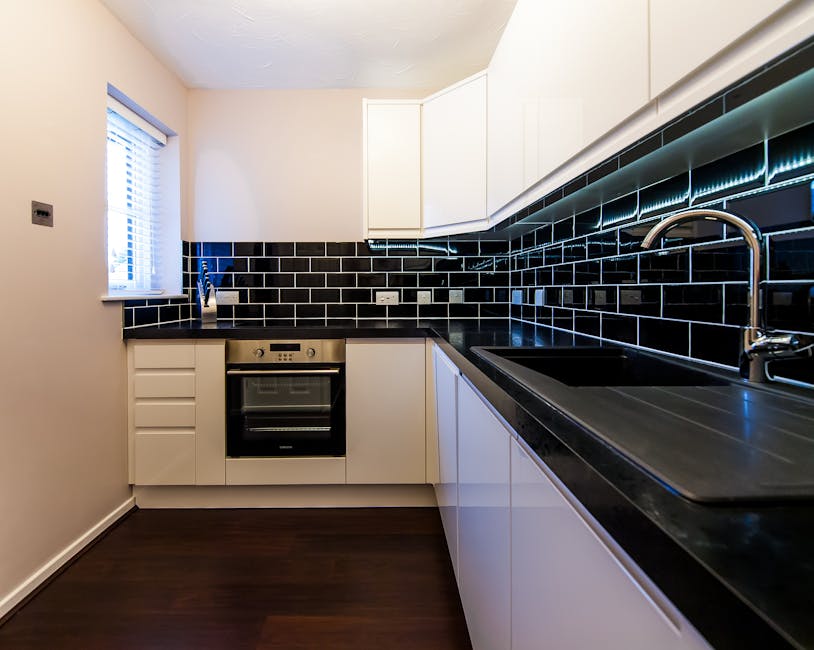
- Spend generously on good cabinets: They form the shell and wear surface. Beams recommends investing in hard-wearing, timeless units that avoid early need for replacement. Be realistic on appliances: Decide which appliances are must-haves. You can buy reliable mid-range ovens and hoods for a fraction of premium brands without sacrificing function. Choose worktops wisely: Quartz or granite are popular but expensive. Laminate or solid timber can look great if chosen carefully. Labour is a big chunk: London premiums mean you should accept that trimming labour costs too far risks subpar finish. Contingency for access and waste: Always allocate a minimum 5-10% buffer for extra costs on older homes.
London-Specific Premium Drivers
Several factors unique to London properties make it essential to be extra vigilant about freezing your kitchen design early and avoiding variations:
- Labour costs: London rates on tradespeople can be 30-50% higher than the national average due to demand and cost of living. Access limitations: Many Victorian terraces have narrow doorways, steep stairs, and no parking — complicating deliveries and increasing costs. Waste disposal: Tight urban locations mean skip permits, special van hire, and longer haulage. Older building fabric: Surprises behind walls — like old or unsafe wiring needing Building Regulations Part P notified works — can arise late.
London Post is a specialist at managing these challenges; their quotes always show clear day counts for labour, VAT inclusions, and project risks to help clients plan realistically.
Summary: The Key to Avoiding Costly Kitchen Changes
To recap, the best ways to avoid expensive late changes and variation costs during kitchen fabrication include:
Engage specialist London renovators early, like Beams, Genesis London, and London Post. Understand the 2026 London kitchen cost landscape with installed prices, including VAT and labour premiums. Use showroom visits, 3D models, and samples to finalise your design. Demand full written spec and formal sign-off before fabrication begins. Beware of London-specific challenges: labour, access, waste, and compliance with Building Regulations Part P. Include contingency in your budget for unavoidable surprises.
By following these steps and focusing on freezing your layout before sign-off, you’ll drastically reduce variation costs and ensure your kitchen renovation progresses smoothly from design to installation.