I’ve sat in more punch-list meetings than I care to count, and I can tell you exactly where clinics go sideways. It usually happens the moment someone says, "We want it to look modern." I immediately stop them. What does "modern" mean? Does it mean cold, white, and echoing? Or does it mean human-centric and efficient? Because if you’re trying to balance patient privacy with an open, airy feeling, "modern" is a dangerous trap.
Before we pick a single paint color or fabric swatch, I have to ask: Where is your daylight coming from? If you aren't mapping your fenestration before you draw your first exam room, you are going to end up with a basement-like environment where people feel claustrophobic—which is the opposite of a healing space.
The Architecture of Trust: Zoning for Privacy
Effective clinic zoning isn't just about moving walls; it’s about managing the acoustic and visual journey of a patient. If you look at the floor plates favored by tech giants like Google or Apple, you’ll notice they prioritize "neighborhoods"—distinct zones that allow for focused work while maintaining a connection to the whole. We need to steal this logic for clinical design.
Privacy planning isn't just about soundproofing; it’s about the "implied distance." If a patient can hear the receptionist discussing a billing dispute while they are waiting in the exam room, your privacy strategy has failed, regardless of how many sound-masking speakers you install.
The "Small Fixes" Rulebook
I keep a running list of layout hacks that save thousands in construction change orders later. If you want to optimize space without feeling like you’re trapped in a corridor, start here:
- The Double-Entry Exam Room: If your footprint allows, an exam room with two doors (one for the patient, one for the staff) removes the need for wide, high-traffic corridors where staff conversations inevitably leak into patient spaces. Zoned Waiting Areas: Never put a massive, single waiting room. Break it into "pods." This creates smaller, quieter pockets that feel more like a living room and less like a bus terminal. Column Integration: Don't fight the columns; wrap them. Use structural columns to house millwork or storage. Ignoring columns until the MEP (mechanical, electrical, plumbing) phase is how you end up with weird, cramped "dead zones."
Space Optimization and the Flow of Light
When we look at projects featured in Rethinking The Future Awards 2026 or discussed on platforms like Eduwik, the recurring theme isn't "more space," it’s "better-utilized space." You don't need a larger clinic; you need a more honest one.
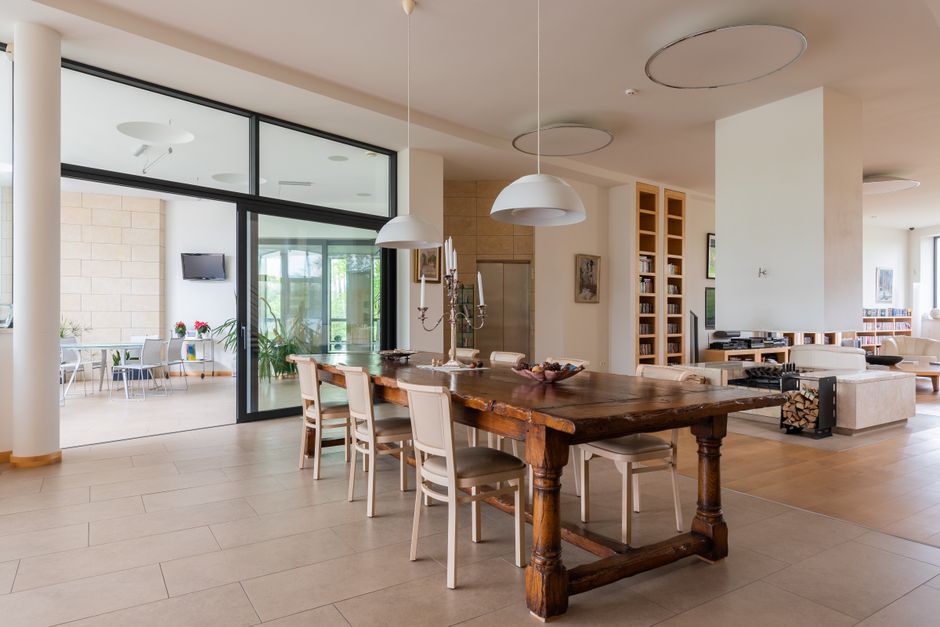
Most architects fall into the trap of overpromising productivity gains simply by opening up the floor plan. If you strip out all the walls to make a clinic feel "big," you destroy the acoustic privacy required for HIPAA compliance. Instead, use borrowed light. Use clerestory windows or high-performance glass partitions with integrated blinds. This allows natural light to penetrate deep into the clinic core, making a 100-square-foot exam room feel twice as large without sacrificing the ability to have a confidential conversation.
Table: Comparing Privacy Solutions in Small Footprints
Solution Privacy Level Spatial Impact Best For Full-Height Drywall Excellent Can feel boxy/claustrophobic Consultation rooms Glass with Privacy Film Moderate Expands visual volume Administrative hubs Acoustic Panels/Baffles High Adds texture and warmth Waiting and reception Offset Doorways High Maintains open flow Exam room entriesDon't Ignore the MEP Reality
I’ve seen clinics spend their entire budget on "trendy" materials like polished concrete floors or reclaimed wood slat walls, only to realize the acoustics are a nightmare and the flooring fails after six months of medical-grade sanitizer wipes. If it’s high-traffic, it needs to be high-performance. Just because it looks good in a Microsoft lobby doesn't mean it survives a high-volume orthopedic clinic.

Your MEP team is your best friend. If you don't coordinate your lighting layout with your HVAC registers and your plumbing chases early, you will end up with ceiling heights that drop to 7 feet just to hide the ductwork. A low ceiling is the fastest way to make a space feel cramped. Work with your team to maximize your ceiling height—even if that means exposing the services and painting them out. It’s an honest, industrial look that feels much larger than a dropped ceiling tile grid.
Functional Zoning: The Three-Tier Approach
To master efficient small spaces, divide your clinic into three distinct functional zones:
Public/Front-of-House: The patient arrival experience. Keep this separate from the clinical workflow to reduce the "noise bleed" from the exam rooms. Transition Zone: The "charting" or "huddle" area. This is where your staff does the heavy lifting. If this is placed correctly—usually in the center of the exam rooms—it reduces the amount of walking staff have to do, which is where real productivity gains actually come from. Private/Clinical Zone: The exam rooms. These should be the furthest from the street-facing noise and the heavy-traffic reception area.The Verdict: Privacy is an Experience, Not a Barrier
Stop asking how to make your clinic "modern." Ask how to make it durable, quiet, and filled with light. If you focus on those three pillars, you’ll find that the "cramped" feeling disappears on its own.
The best clinical layouts are the ones where the patient doesn't notice the design at all. They just notice that they felt heard, they felt safe, and they weren't jostled by a busy staffer running between rooms. That is the gold standard of architecture, and it doesn't happen by accident. It happens by sweating the small stuff: the door swings, the light paths, and the exact placement of your HVAC registers.
Before you commit to your next floor plan, take a walk through your current space. Find the one corner where everyone wants to stand. That’s your anchor. Map the daylight, talk to your MEP team about the ceiling heights, and for heaven's sake, don't use trendy materials that will look shredded by the time you're due for a refresh. Good design is quiet, and the best clinics are the ones that architecture versus interior design roles let the healing do the talking.