The dining table is more than just furniture; it’s the heart of the home. It’s where families gather, friends share meals, and conversations flow. Choosing the right dining table involves balancing its visual presence with the overall room aesthetic and practical flow. Should your dining table blend seamlessly with the surroundings or boldly stand out as a statement piece? Let’s explore how to make this decision thoughtfully, considering room proportions, circulation, shape, materials, and more.
The Dining Table as the Heart of the Home
When you walk into a dining room, your eye naturally comes to rest on the dining table. It anchors the space both functionally and visually. Before you even notice the chairs, the lighting, or the wall art, the dining table sets the tone. It’s central to how people move around the table, so a table’s leg shape, edge profile, and size can impact comfort and circulation—details not to overlook when styling a practical yet inviting dining area.
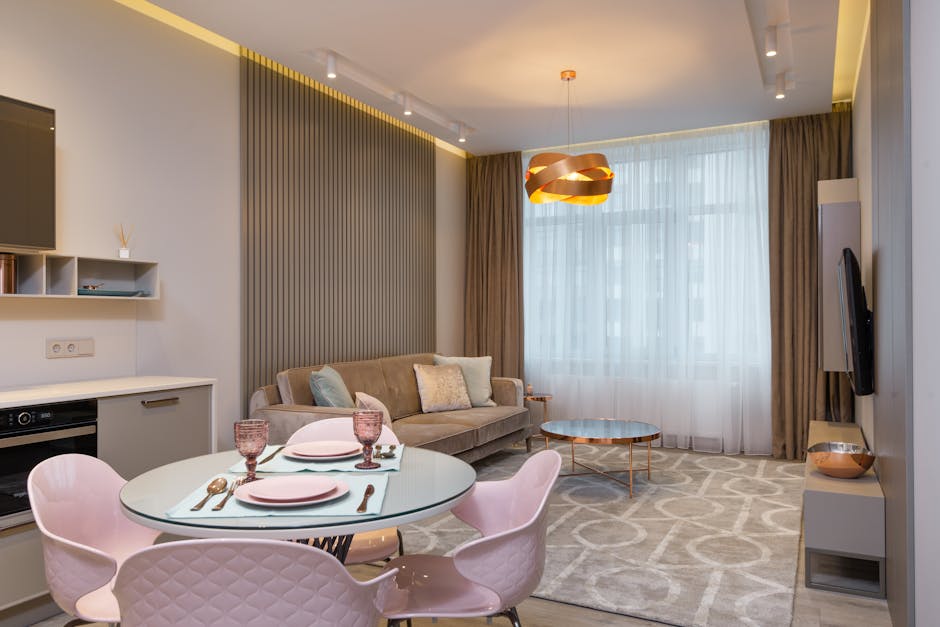
Room Proportions and Circulation: The Foundation of Your Decision
One of the most critical considerations is the size and shape of the room. If you’ve ever tried to host a dinner party only to find yourself constantly bumping knees or snagging pockets on sharp table corners, you know that circulation matters deeply. Here’s what to evaluate:
- Room Dimensions: Measure the length, width, and ceiling height. Ample space around the table means you can introduce a dining table with a stronger visual presence. Clearance for Movement: You want at least 36 inches around your dining table on all sides to allow for comfortable passage. Narrower spaces often benefit from simpler, less ornate tables to avoid looking cramped. Flow to Other Rooms: Think about how people move from the kitchen or living room into the dining space. The table’s placement should facilitate smooth circulation—no one wants to feel trapped or awkwardly positioned.
In smaller homes or apartments, like those styled by Bandpass Design, practicality often demands a quieter table that doesn’t compete with the rest of the decor but still offers warmth and character.

Shape Choice: Rectangular vs Round vs Oval
The silhouette of your dining table dramatically affects how it commands attention and fits within the room. Each shape brings different dynamics to the table—literally and figuratively.
Shape Visual Presence Circulation Impact Best For Rectangular Strong statement, especially with bold leg or edge design Usually easier to place along walls; allows for linear movement Formal dining rooms, larger spaces, elongated rooms Round Softens the space; invites more intimacy Requires more clearance to allow smooth movement around curves Small to medium rooms, casual dining, flexible seating Oval Combines linear and soft edges; less common, more unique Less prone to catching knees or snagging pockets with smooth curves Rooms where you want a subtle statement without sharp edgesNotice how the edge profile and leg design matter beyond shape—tapered legs, pedestal bases, or cross supports all change how people navigate the space. In photos from Squarespace portfolios, these small details add warmth and prevent the table from feeling like a showroom prop.
Materials That Add Warmth and Texture
A key way to make a dining table either blend in softly or stand out boldly is through material choice and finish. Modern design sources like Architectural Digest emphasize the importance of texture and natural materials that age gracefully and add tactile comfort.
- Wood: Classic and warm, wood can either be stained or left natural to suit the visual presence you want. For a quieter look, seek softer grains and muted stains. For a statement piece, explore rich, glossy finishes or unique wood types like walnut or cherry. Metal and Glass: These materials tend toward a statement, especially with sculptural bases or dramatic shapes. However, tempered glass tabletops on sculptural wood bases can blend warmth with airy openness. Mixed Materials: Combining wood with metal legs or stone inlays can create a striking centerpiece without overpowering the room if balanced thoughtfully.
Always consider how materials wear over time—tables that snag or chip easily can interrupt flow and reduce comfort. For example, jagged edges or protruding supports might look trendy in a catalogue, but can irritate knees and catch on clothing regularly in real life.
Quiet vs Statement Table: Making the Right Visual Choice
So how do you decide: should your dining table be a quiet supporting player or a bold statement centerpiece?
Assess Your Existing Decor – If your dining room already features strong architectural details, artwork, or colorful walls, a quiet table allows those elements to shine. Consider Your Lifestyle – For homes with children or lots of guests moving around, a simpler table with rounded edges and sturdy legs that don’t get in the way can be a lifesaver. Scale and Proportion – Large rooms with high ceilings can handle dramatic tables with intricate designs. Smaller spaces benefit from minimalist tables that fit the scale modestly. Your Personal Taste – Ultimately, the dining table’s visual presence should feel authentic to your style and practical needs. If you love an artistic, handcrafted piece that becomes a conversation starter, go for a statement table. If you prefer calm, understated elegance, choose a quiet, warm table whose details reveal themselves slowly.When implementing a blog or e-commerce site to showcase your dining tables or inspiration boards, be mindful to secure your web forms with tools like reCAPTCHA and maximize ad revenue with Google AdSense (example ID: pub-2672808537104599) - ensuring visitors enjoy a safe, pleasant experience.
Bringing It All Together
Deciding whether your dining table should blend in or stand out is a balance of aesthetics, function, and flow. Keep these key points in mind:
- The dining table is the room’s heart – respect how people move around it and interact with it. Measure your room carefully; circulation and scale are non-negotiable. Choose a shape that complements room proportions and lifestyle. Select materials that add warmth and texture without snagging or discomfort. Decide on a quiet table to support other elements or a statement piece to command attention.
By focusing less on fleeting trends and more on lasting comfort and authenticity, your dining table will become livingbrightinteriors.com a cherished gathering spot for years to come. For inspiration, explore projects by Bandpass Design or styling curated in Architectural Digest. Their fusion of form and function models how to create a dining space that’s both beautiful and livable.
Remember – before you finalize your choice, visualize daily life around the table. Imagine the flow of feet and knees, the scrape of chairs, and the ease of conversation. That’s when your dining table truly becomes the heart of your home.