In the realm of DIY storage—especially when repurposing reclaimed packaging to build trustworthy, durable solutions—rust can be an unexpected nemesis. Whether you’re assembling a shelving system for your small flat or reinforcing a garage corner, your metal choices affect longevity, appearance, and safety. Today, we’ll dissect the practical differences between galvanized steel and stainless steel, particularly focusing on how to avoid rust while using these metals effectively alongside tools like parallel-action pliers and side cutters.
Understanding Your Rust Aversion: Why Metal Matters
Rust isn’t merely a cosmetic problem; it’s a structural menace. It quietly eats away metal, turning strong, low-maintenance components into brittle, unsafe hazards. If you detest rust and want to ensure your reclaimed packaging doesn’t collapse like a poorly cared-for library bookshelf, the choice between galvanized and stainless steel is fundamental.
Before we deep dive into chemical compositions and protective coatings, imagine this: a single crate full https://packagingrevolution.net/add-wire-handles-to-boxes-and-bags/ of paperback books typically weighs between 15-20 kg (about 33-44 lbs). Your storage setup should safely bear this load repeatedly without sacrificing integrity—the metal parts need to mirror that sturdiness to avoid sudden drops that annoyingly mimic book piles collapsing.
Galvanized Steel: Zinc as Your Rust Barrier
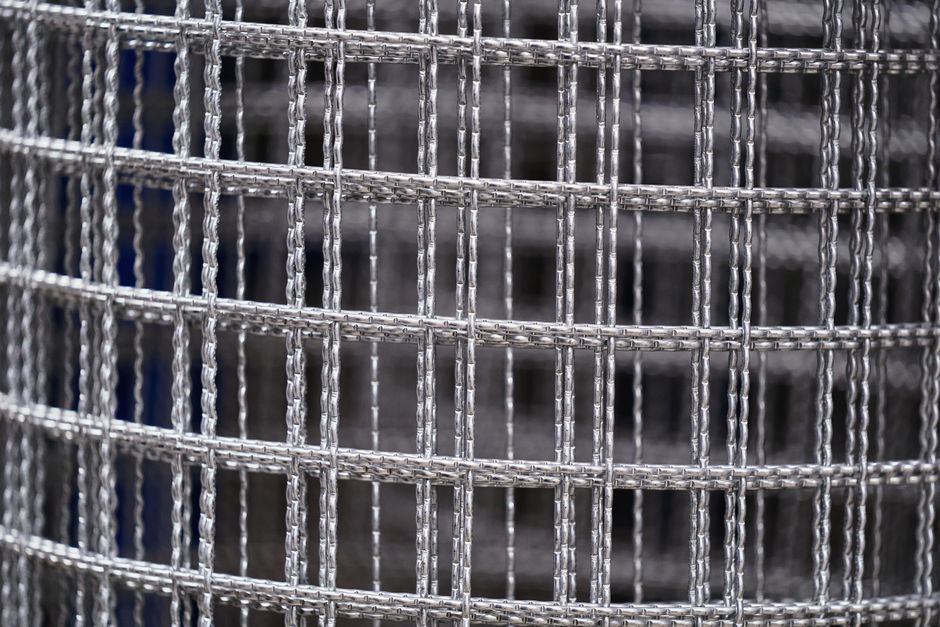
Galvanized steel is mild steel coated with a zinc layer that acts as a sacrificial shield against oxygen and moisture, warding off rust. The common zinc coat thickness ranges from 10 to 25 micrometers (µm), striking a balance between cost-effectiveness and corrosion resistance.
Pros
- Affordable: Galvanized steel is generally cheaper than stainless steel. Good for moderate humidity: It resists rust effectively in indoor or mildly humid environments. Easily workable: The zinc layer tolerates bending and drilling if done carefully.
Cons
- Zinc layer wear: Scratches or excessive bending can expose the base metal, leading to rust spots. Limited lifespan in high humidity: Prolonged exposure to water or salty air can degrade the coating faster. Finish fades: The zinc coat dulls and may flake over time, affecting aesthetics.
Stainless Steel: The Chromium-Nickel Superhero
Stainless steel’s corrosion resistance derives from its alloy composition. The widely used grade AISI 304 includes approximately 18% chromium and 8% nickel, forming a chromium oxide layer that self-heals when scratched, providing long-lasting protection.
Pros
- Excellent rust resistance: Ideal for high humidity exposure or even outdoor use. Durable and strong: Maintains integrity under load and frequent handling. Attractive finish: Keeps a shiny, clean look over time.
Cons
- Higher cost: More expensive due to alloying elements and manufacturing. Harder to work: Requires sharper tools and more effort for drilling or bending. Can be slippery: Smooth surfaces may need texturing for grip in handles or supports.
Wire Gauge, Load Capacity, and Reclaiming Old Materials
When working with reclaimed packaging such as metal straps, wire handles, or brackets, understanding wire gauge and corresponding load capacity is critical for rust-free, trustworthy DIY storage systems.
Wire Gauge (AWG) Diameter (mm) Approximate Load Capacity (kg) Suitable Application 14 AWG 1.6 ±0.1 mm 50-60 kg Heavy-duty handles, shelving brackets 16 AWG 1.3 ±0.1 mm 30-40 kg Medium-weight supports, smaller bins 18 AWG 1.02 ±0.1 mm 15-20 kg Light containers, decorative hooksRemember, reclaimed wires might have wear or corrosion under the original coating. To keep rust at bay, reinforce the weak spots before drilling or bending—fragile, ragged spots invite tears, much like a torn page weakens a book’s spine.
- Use epoxy or rust inhibitor pastes on exposed areas. Add small metal patches or wrap with coated wire for extra strength. Double-check load ratings—avoid using thin gauge wires where a crate full of paperbacks (15-20 kg) is concerned.
Tool Selections for Rust-Free DIY: Parallel-Action Pliers and Side Cutters
Your choice of tools dramatically affects the crispness of bends and cuts, which in turn impacts rust resistance. Poor handling leads to ragged drill holes and torn edges—prime spots for metal oxidation to begin.
Parallel-Action Pliers: Precise, Uniform Bends
Parallel-action pliers apply even, parallel pressure on the metal surface. The jaws close flat and aligned, giving you clean, controlled bends without crushing or distorting the wire’s protective zinc layer or stainless finish.
- Use them to shape reclaimed wire handles or form hooks with tight tolerances (+/- 1 mm). Maintain tool jaws—dull or nicked edges can damage the metal coating. Ideal for neat assemblies that look as put-together as a well-shelved library.
Side Cutters: Safe and Clean Cuts
Side cutters, or diagonal pliers, offer sharp, angled jaws that cut through wire and thin metal precisely. Choosing high-quality side cutters prevents crushing wires or leaving ragged, torn ends that rust loves to attack.
- Use sharp, hardened side cutters that match your wire gauge for clean cuts. Don’t rely on flimsy floral wire or low-grade cutters that deform the metal. Always wear safety glasses and cut away from your body to avoid sudden drops or backlash.
Reinforcing Weak Materials Before Drilling
Drilling holes in reclaimed metal packaging is necessary for bolting or anchoring parts, but careless drilling can create cracks or tears, rapidly accelerating rust if the zinc coat or stainless surface is compromised.
Mark your drill points precisely: Use a center punch to create a shallow pit for the drill bit—this prevents slipping and uneven holes. Support the material: Place scrap wood or a rubber pad beneath to prevent burrs on the underside and reduce vibration. Reinforce weak spots: Wrap the area with thin steel tape or apply a small metal patch before drilling to distribute stress. Use sharp drill bits: High-speed steel (HSS) bits designed for metal give clean holes and reduce heat buildup that can ruin coatings. Deburr and protect: After drilling, file smooth edges and apply rust-inhibiting primer or a touch of clear lacquer.Final Considerations: Environment and Maintenance
Your storage project’s future environment influences your choice between galvanized and stainless. In predominantly indoor, climate-controlled flats, galvanized steel with a zinc coat of 10-25 µm thickness often provides reliable, cost-effective protection.
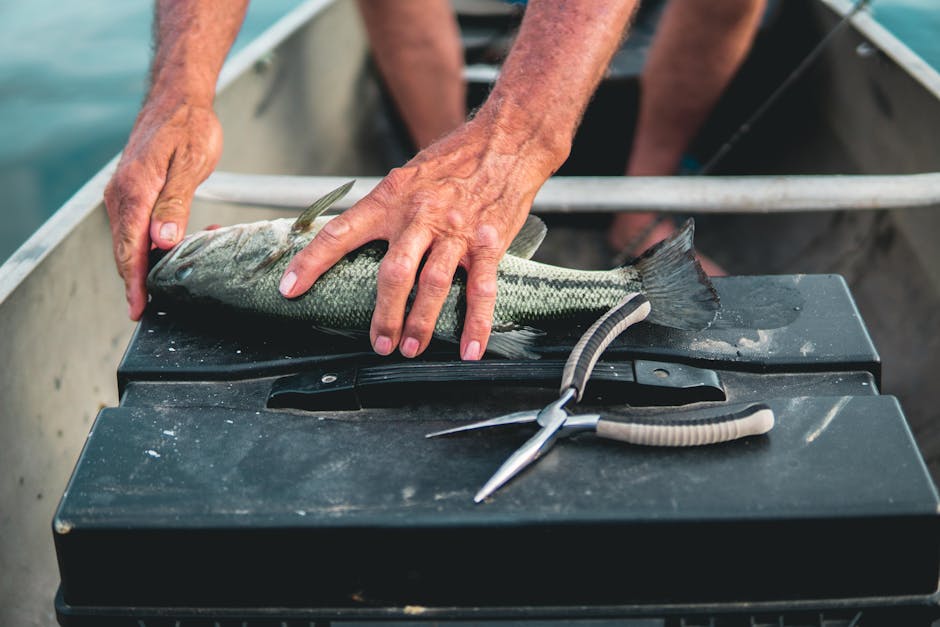
However, for garage shelving exposed to fluctuating humidity exposure, or outdoor reclaimed packaging repurposing, stainless steel AISI 304 with 18% chromium and 8% nickel offers unmatched longevity and peace of mind.
In all scenarios, keeping your tools well-maintained and your metalwork precise ensures fewer scratches, cleaner joints, and ultimately less rust—a combination as satisfying as finding a perfectly organized bookshelf in a previously chaotic room.
Summary
Aspect Galvanized Steel Stainless Steel (AISI 304) Rust Resistance Good with thin zinc coats (10-25 µm) in low to moderate humidity Excellent, with self-healing chromium oxide layer, ideal for high humidity Cost Lower, budget-friendly Higher, premium grade Workability Easy to bend and drill with hand tools Harder to shape; requires sharp tools Maintenance May require touch-ups and repainting Low maintenance, keeps shine Recommended Tooling Parallel-action pliers and sharp side cutters for clean bends and cuts The same tools, but ensure high quality and sharpnessChoosing between galvanized or stainless steel ultimately boils down to your project's environment, budget, and desired lifespan. Pairing the right metal with clean tool techniques and careful reinforcement makes any reclaimed packaging project resistant to rust—and long-lasting like a well-loved library collection.