When I first decided to install a mini split system in my home, I was drawn not only to the promise of energy-efficient heating and cooling but also to the sleek, tech-forward features that many brands boast. The idea of controlling my HVAC system via voice commands with Amazon Alexa or setting it up to respond to Google Assistant sounded like the perfect blend of comfort and modern convenience. But after a decade of tinkering with HVAC-adjacent work orders and a dozen DIY projects under my belt—including my own recent mini split install—I'm here to unpack whether these smart features truly deliver or if they simply add complexity without much payoff.
How I Got Into DIY Mini Splits
With a background as a facilities maintenance tech, I’d seen my fair share of commercial HVAC systems and their myriad quirks. But stepping into the homeowner role, it felt empowering to take control of my environment by getting hands-on with projects. The Zone-Air setups and MRCOOL DIY kits made jumping into mini splits more approachable—they provide equipment tailored for people like me who aren’t professional HVAC installers but have some basic tools and a willingness to learn.
Typically, the DIY mini split upfront cost ranges from about $1,000 to $3,500 (before labor savings). Considering the thousands you might pay for professional installation and the potential lifelong savings on energy, I saw it as a worthy investment in both my home and my skillset.
Planning and Preparation: The First Step Is Half the Job
Anyone who has ever done a project worth its salt will tell you: measure twice, cut once. And then measure again just to be sure. Even with basic tools like a drill, wrenches, and some common HVAC materials such as line sets and refrigerant lines, a well-planned install is 90% of the battle won.

- Carefulroom selection for unit placement Routing line sets thoughtfully to minimize exposure Understanding wiring schematics to avoid costly mistakes
Taking the time to read the installation manual two or three times (yeah, I actually kept a notepad nearby to jot down points so I wouldn’t repeat mistakes) saved me hours. In my experience, setbacks in mini split installs tend to be minor and fixable with patience and the right information, but skipping this preparation invites frustration.
What Are Smart Mini Split Features, Anyway?
Brands like MRCOOL and Zone-Air increasingly include “smart” features in their systems, promising:
- Alexa control and Google Assistant control: Voice commands to adjust temperature, switch modes, and schedule run times. Hands free HVAC operation: Automation that adapts to your habits, presence detection, or remote access via smartphone apps. Energy usage tracking and alerts Integration with other smart home devices
In theory, it all sounds great. Picture this: you walk into your home carrying groceries, and your mini split turns on automatically, adjusting itself to the perfect temperature—all hands-free. But is this seamless experience the rule or the exception?
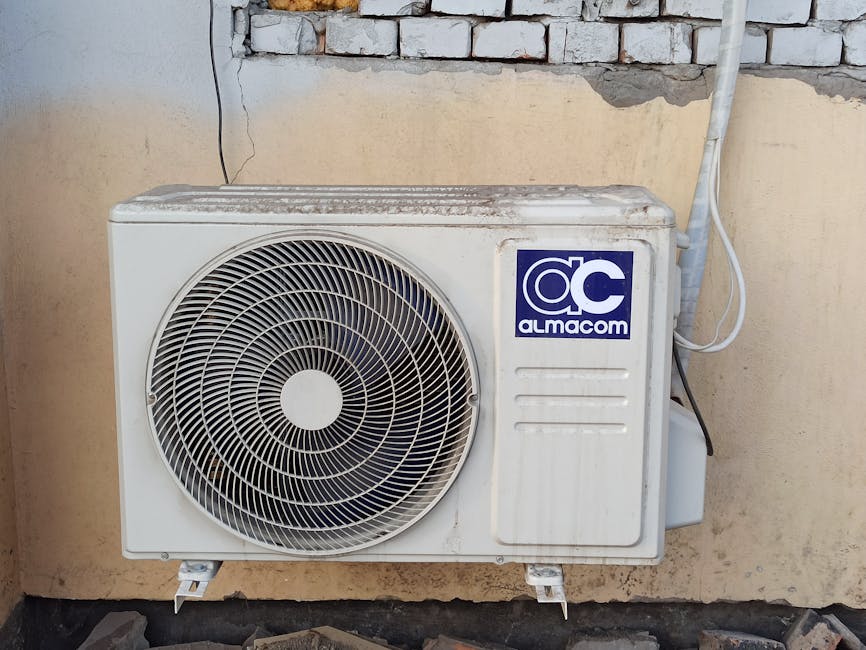
Real-World Value: Do These Features Deliver?
Let me break down my experience based on the factors that truly impact usability and value.
Alexa and Google Assistant Control: Convenience Meets Limitations
I'll be honest with you: i tested the alexa control features that come with some mrcool diy models. Speaking my commands felt futuristic and cool at first, but here’s what I found:
- Setup complexity: It’s not always plug and play. There’s usually some app linking, firmware updates, and occasionally network hiccups to overcome before you can actually say, “Alexa, set the living room to 72 degrees” and have it do exactly that. Feature limitations: Voice commands tend to cover basic on/off, temperature adjustments, and mode changes. More advanced settings—like fan speed customization or energy saver modes—may still require you to use the wall remote or app. Reliability: WiFi outages or smart hub glitches can leave you unable to control your HVAC remotely, which can be frustrating.
Still, having voice control means minor adjustments without leaving your seat, which can genuinely improve comfort in moments when you’re hands full or settling in for the night. But don’t assume it will replace manual controls anytime soon.
Hands-Free HVAC: Smart Automation in Action
This was where I was most skeptical. Features like presence detection, geofencing (where the system detects when you’re near home), and scheduling via smartphone apps tantalize with promises of optimized comfort and energy savings. I gave it a shot.
While I did notice my mini split turning off when I left the house and starting up when I returned,* it wasn’t always perfectly timed—one evening, it shut off just 20 minutes before a sudden cold snap, and I was left shivering until it restarted. It takes some trial and error to get the timing and sensitivity right.
However, the system did help avoid running the unit all day when I wasn’t home, and I found myself more conscious of adjusting temperature settings since I could monitor energy use through the app.
Energy Savings and Cost-Benefit Analysis
The blanket claims that smart features will cut your AC bill in half definitely need a skeptical ear. In practice, your savings depend on:
How well you optimize schedules and zones Whether fans or heating elements are running unnecessarily during absences The insulation and general energy efficiency of your homeA smart mini split can be more efficient than a dumb one if you use the features https://trans4mind.com/counterpoint/index-home-garden/diy-mini-splits-teach-about-personal-growth.html actively. Leaving automation defaults as-is won’t cut costs much, but informed, consistent use helps.
Remember, a $3,000 unit’s smart feature set is not an instant money-saver on its own; the real savings come from the combined effect of less wasted energy and improved comfort.Personal Growth Through Hands-On HVAC Work
What really sticks with me is the confidence that comes from rolling up your sleeves and figuring it out firsthand. Between drilling the mounting holes, carefully bending refrigerant lines, and watching that first test run bring cool air to my office, I learned more than just how to adjust a thermostat.
Each setback—like misreading wiring colors or a leaky connection—was a lesson in patience and planning. I always recommend keeping a detailed notebook of every step and every mistake. It turns otherwise frustrating moments into valuable reference points.
Tools and Tips for the Aspiring DIY Installer
You don’t need a garage full of specialized HVAC tools to tackle a mini split install yourself, but make sure you have these basics on hand:
- Drill with appropriate bits Wrenches sized for flare nuts on line sets Refrigerant lines with proper flaring kit (if lines need modification) Basic electrical testing tools Good-quality level and measuring tape
If you want to tap into the smart control aspect, a stable WiFi network and a reliable smart home hub (Amazon Alexa or Google Assistant device) are essential.
Final Thoughts: Smart Features Are Neither Magic Nor Gimmick
Smart mini split features like Alexa control and hands free HVAC add genuine convenience and can contribute to energy savings—but mostly if you embrace the learning curve and actively engage with the tech. They won’t fix poor planning, bad placement, or basic maintenance skimping. And on their own, they don’t guarantee massive monthly savings without thoughtful usage.
If you’re a hands-on type who likes planning, troubleshooting, and improving your space step by step, exploring these smart features is both a fun and worthwhile addition. For those expecting plug-and-play magic, the experience might cause some early frustration.
So whether you pick a package from Zone-Air, a self-install kit from MRCOOL DIY, or something off the shelf that touts Alexa integration, prepare to learn a lot, build confidence with action, and grow personally with each success and misstep.
And if you do decide to take the plunge, trust me—label every spare part in a zip bag, bring your patience, and keep a notepad next to your drill. You’ll thank yourself later.