After a decade of monitoring gate turnarounds, tracking delayed departures, and spending roughly 60 nights a year in hotel beds, I’ve learned one thing: the "travel wellness" industry is largely built on junk science and overpriced packaging. As a former operations coordinator, I’m used to looking at hard data. If a protocol doesn't improve the "efficiency" of my biological system, I don't use it. And if I can't fit it into my single, TSA-compliant zip pouch, it’s not coming on the plane.
I get asked constantly about the fatigue after flying, the notorious headache after flight, and whether or not chugging electrolyte packets is actually the secret sauce. Let’s cut through the marketing fluff and look at the actual physics of cabin humidity and human physiology.
The Cabin Humidity Trap
Before we talk about electrolytes, we have to talk about why you feel like a piece of beef jerky when you land. Most people throw around "stay hydrated" as a mantra without explaining why it’s so difficult at 35,000 feet. Cabin air in a commercial aircraft is drawn from outside, compressed, and passed through bleed air systems. Because the air at cruise altitude is incredibly cold and holds almost no moisture, the relative humidity inside the cabin often drops to between 10% and 20%.
To put that in perspective, the Sahara Desert usually sits around 25%. You are sitting in a giant, metal dehydrator for five hours. When your body loses moisture, your blood volume decreases, your heart works harder to circulate oxygen, and your electrolyte jet lag melatonin timing balance—the electrical charge that keeps your neurons firing—gets out of whack. That is the genesis of your headache after flight.
Do Electrolyte Packets Actually Help?
Yes, but not for the reason most influencers claim. It isn't just about "replenishing electrolytes"; it's about water retention. According to the NIH / NCBI (PubMed Central), effective rehydration relies on the presence of sodium and glucose to trigger the sodium-glucose cotransport mechanism in the small intestine. Plain water is filtered by your kidneys and excreted far faster than water held in the bloodstream by solutes like sodium, potassium, broad spectrum CBD no THC and magnesium.
When you are on a flight longer than five hours, you are essentially losing water through respiration and skin evaporation at an accelerated rate. Electrolytes help your body "hold onto" the water you drink.
A Comparison of Hydration Strategies
Strategy Efficiency Notes Plain Water Low Quickly excreted; does little for plasma volume maintenance. Electrolyte Packets High Maintains osmotic balance; best for long-haul flights. Caffeinated Beverages Negative Mild diuretic effect compounds cabin dryness.A note on TSA rules: You cannot bring pre-mixed electrolyte liquids over 100ml through security. However, powdered electrolyte packets are entirely acceptable in your carry-on. I keep mine in my primary zip pouch to ensure I don't forget them. They don't count toward your liquid allowance, and they are the single most effective way to combat fatigue after flying.

Regulating the Nervous System: The Role of CBD
Physical dehydration is only half the battle. Air travel triggers a sympathetic nervous system response—the "fight or flight" mode—that leaves us drained. Between the chaotic boarding process, the cramped seating, and the environmental stress, your cortisol levels skyrocket.
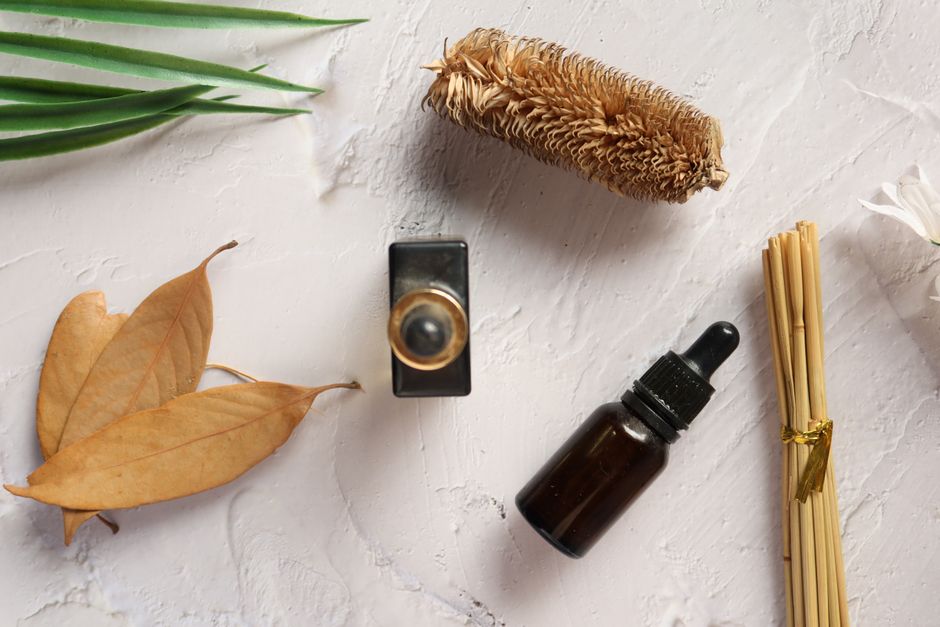
I’ve tested countless recovery tools, and sublingual CBD oil tinctures are one of the few I trust. When choosing one, you must verify the third-party lab results / certificate of analysis (COA). I’ve seen enough "wellness" products on the market with heavy metal contamination or inaccurate dosage labeling to know that if a brand doesn't publish their COA, they’re hiding something. I personally keep a small bottle from Joy Organics in my zip pouch. I use it sublingually (under the tongue) about 30 minutes before descent. Because it absorbs through the mucous membranes, it bypasses the digestive system and helps nudge the nervous system back toward a parasympathetic state, which is crucial for landing and transiting through a busy terminal.
The Melatonin Megadose Fallacy
If you take anything away from this, please let it be this: 10mg of melatonin is not "stronger." It is, quite frankly, absurd. Research published in The Permanente Journal highlights that melatonin is a hormone, not a sedative. The body naturally produces it in microgram quantities. Megadosing melatonin messes with your circadian rhythm and leads to "hangover" grogginess the next day. It doesn't help you adjust to your destination; it just turns you into a zombie.
For jet lag, timing is more important than dosage. If you’re traveling east, a tiny dose (0.5mg to 1mg) taken at the local time of your destination a few hours before you intend to sleep is far more effective than taking a "mega-pill" when you board. I test this on short-haul trips before applying it to a long-haul itinerary. Never try a new sleep supplement for the first time on an 11-hour flight to Tokyo.
My "Zip Pouch" Protocol for Long-Haul Success
Everything I use goes into one small, transparent pouch. If it doesn't fit, it doesn't go. Here is what has survived my testing phase:
Electrolyte Packets: Specifically sugar-minimal, sodium-heavy versions. Joy Organics Tincture: With the COA printed and tucked into the pouch, just in case a curious TSA agent asks. Low-Dose Melatonin (0.5mg): For timing, not for knocking myself out. Earplugs and Eye Mask: Low tech, high impact.The Final Verdict: Is Fatigue After Flying Preventable?
You cannot stop the dry air, and you cannot stop the stress of the airport environment. However, you can significantly mitigate the physiological impact of a long flight. The "headache after flight" is often just a symptom of your body struggling to maintain osmotic balance in an environment that is actively trying to desiccate you.
Use your electrolytes strategically. Use CBD to keep your nervous system from redlining. Avoid the temptation of "stronger is better" when it comes to sleep aids. And for heaven's sake, keep it all in one pouch. You don’t need a massive packing list of expensive supplements; you need a system that works with your biology, not against it. Safe travels.