Hi there! I’m the office manager here at a busy Connecticut pest control firm. If I had a nickel for every time a panicked homeowner called in October or November saying they have “bees” in their living room, I’d have retired to a beach house a long time ago. Before we get into the "why" and the "how," I need to ask you the golden question: Where exactly are you seeing traffic?
Are they clustered around a light fixture? Crawling out from behind a baseboard? Coming through a recessed can light? The location tells me everything I need to know about whether you have an active colony or https://beesmart.buzz/pest-control-plans/bee-control/ just a confused overwintering queen. And please, do me a favor: stop telling me you have “bees.” Nine times out of ten, you’ve got yellowjackets or paper wasps. Calling them bees won’t change the treatment, but it does make my techs groan when they show up with the wrong mindset. Let’s clear the air.
Stinging Insect Identification 101
Before we talk about nests, let’s talk about who is actually invading your home. People love to call anything that flies and stings a "bee," but bees—specifically honeybees—are rarely the culprits when you’re dealing with indoor reemergence in the winter. What you are likely seeing are yellowjackets or paper wasps.
Here is a quick cheat sheet for what you’re likely dealing with:
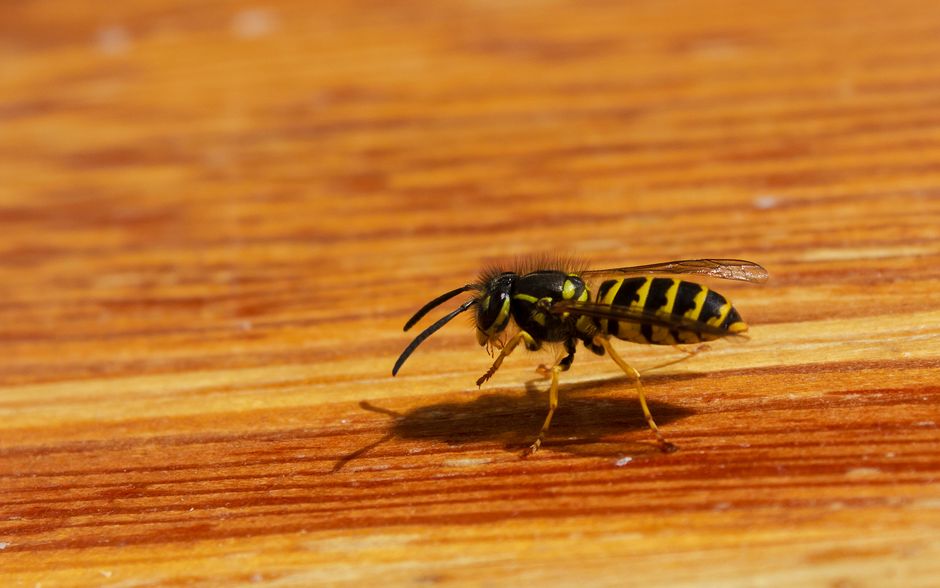
Insect Type Identification Behavior Yellowjacket Black and bright yellow, hairless, fast Aggressive, nests in wall voids/ground Paper Wasp Brown/Reddish, long dangling legs Smaller colonies, nests under eaves Honeybee Fuzzy, brownish-gold Usually docile, rarely enter living areasThe Winter Myth: Do Hives Survive?
The short answer is no, a full hive does not "reemerge" in the winter. A colony is an annual cycle. In the mid-to-late summer—the peak of the season—colonies are massive, irritable, and looking for resources. By the time the first frost hits Connecticut, the workers die off. The only ones who survive are the new queens.

However, when you see wasps in house winter incidents, it’s usually because the heat from your home has tricked these overwintering queens into thinking spring has arrived early. They wake up in your wall voids, get confused by the warmth, and find their way into your living space. If you see dozens of them, it’s rarely a "hive" moving in; it’s usually a structural issue where they’ve gained access to your insulation.
Common Nesting Spots: The Hit List
When I’m scheduling a tech, I always run through my mental checklist. If you don't know where they are coming from, you’re just guessing. My techs look at these spots first:
- Wall Voids: The ultimate hiding spot. They enter through cracks in the siding or gaps around windows. Decks and Porches: Look for the "paper" architecture tucked under floorboards. Shutters: The favorite hangout for paper wasps. If you have shutters, you likely have a nest behind them. Attics and Soffits: These are the highways for insects entering your home’s structure.
Why "Just Spraying It" Is the Worst Advice
I cannot stress this enough: Do not—I repeat, do not—spray a store-bought aerosol into a wall void.
I hear people say they bought a can from the hardware store and sprayed the hole. All you did was block the exit. If you seal them in, they will find another way out—usually through a light fixture or an electrical outlet in your living room. You are effectively driving them into your house. Professional pest control companies like Bee Smart Pest Control or the team at Mega Bee Pest Control (Mega Bee Rescues) use specific, fast-acting materials that flush the insects out or neutralize the nest safely. We also use residual treatments to ensure that any returning foragers don't keep using that entry point.
The Danger of Ground Nests and Lawn Mowing
People often ignore nests in the yard until they are mowing the lawn. If you have a ground nest, you won't notice it until you run your mower over it. That’s a recipe for a trip to the ER. Mid-to-late summer is the "danger zone." As the colony size peaks, their territorial behavior goes through the roof. If you see a lot of activity in one spot in your lawn, mark it and call a pro. Don’t try to "drown it out" with a hose—that just makes them angry and puts you in the line of fire.
Indoor Reemergence: What to Do
If you are experiencing indoor reemergence stinging insects, follow these steps:
Stay Calm: Don't start swatting. You’ll just get stung. Locate the Source: Are they coming from a specific light? A vent? A gap in the trim? Seal the Perimeter (Temporarily): Use painter's tape or duct tape to cover the hole, but only if you know the interior isn't the primary nest site. Call a Professional: Whether you choose Bee Smart Pest Control or Mega Bee Pest Control (Mega Bee Rescues), make sure they have experience with structural wall voids. They will know how to safely access the cavity without tearing your wall apart.
The Final Verdict
The insects appearing in your home during the cold months aren't there to build a new summer home; they are lost, confused, and looking for a way out. They are often trapped in your walls because of poor exterior sealing. Don't waste your time with over-the-counter sprays that don't address the void where the colony is actually housed. You need a systemic approach that uses the right materials to get the job done right the first time.
And remember, next time you call our office, be ready to tell me exactly where you saw them. It’s the difference between a five-minute identification and a forty-minute crawl-space search!